
What is End-to-End Testing?
In a digital-first world, where applications power business and connect customers, ensuring software reliability is crucial. End-to-End (E2E) Testing is a pivotal practice that helps guarantee a seamless experience across complex applications, ensuring all components work together flawlessly. This type of testing is particularly valuable when different systems, APIs, and third-party integrations need to function harmoniously. But what exactly is End-to-End Testing, and why is it a cornerstone of software quality?
Defining End-to-End Testing
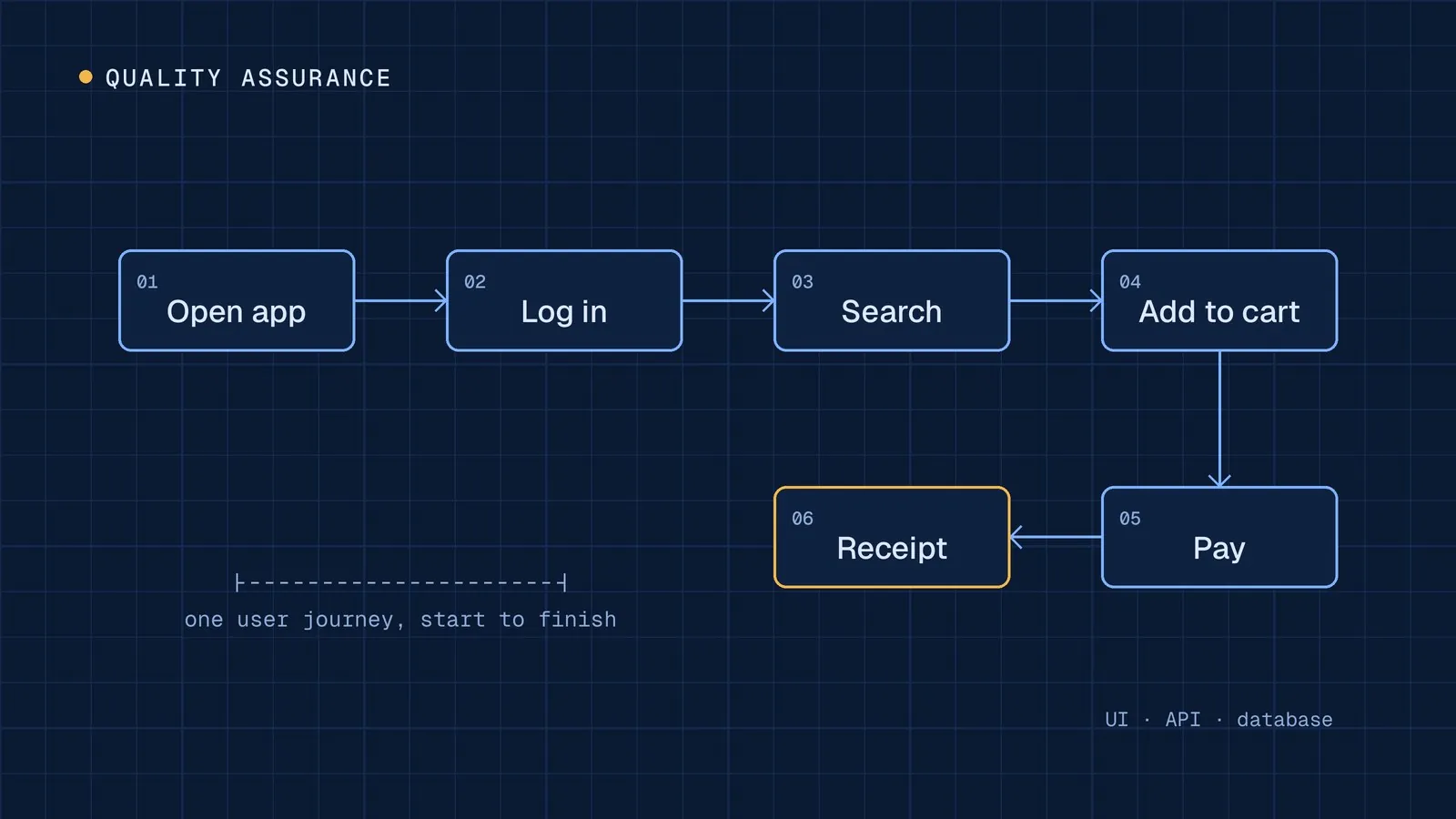
End-to-End Testing is a testing methodology focused on verifying the entire application flow, from start to finish, to confirm that each segment of an application works as expected. Unlike unit or integration testing, which focuses on specific modules or interactions, E2E Testing simulates real-world scenarios to evaluate complete workflows, user behavior, and system dependencies. This process provides an overarching view of how your application performs, ensuring that each element operates cohesively under real user conditions.
Why is End-to-End Testing Essential?
As applications grow in complexity, the risk of isolated issues affecting the overall user experience increases. E2E Testing minimizes these risks by:
Ensuring User Experience Consistency: By validating the application from a user perspective, E2E Testing helps deliver a seamless user experience across all interactions.
Enhancing Reliability: This testing process identifies breakpoints across different environments, configurations, or systems, ensuring greater dependability.
Reducing Future Maintenance: Detecting bugs early in the application lifecycle saves time and resources, reducing future maintenance needs and speeding up releases.
Key End-to-End Testing Strategies
Implementing an effective E2E Testing strategy involves adopting techniques that closely resemble real-world use cases. Here are some of the essential strategies:
Real-World Scenario Testing: Identify critical user flows, such as logging in, making transactions, or navigating dashboards, to understand and verify primary user paths.
Automated vs. Manual E2E Testing: Automated E2E Testing accelerates execution time for repetitive tests, while manual E2E Testing ensures nuanced, one-off cases are covered.
Data-Driven Testing: Simulate real-world scenarios by using varied datasets to see how the application handles diverse data types and edge cases.
Continuous Testing Integration: Integrating E2E Testing with CI/CD pipelines helps detect issues as soon as new code is pushed, promoting continuous improvement and high software quality.
How TRAILBLU Empowers End-to-End Testing
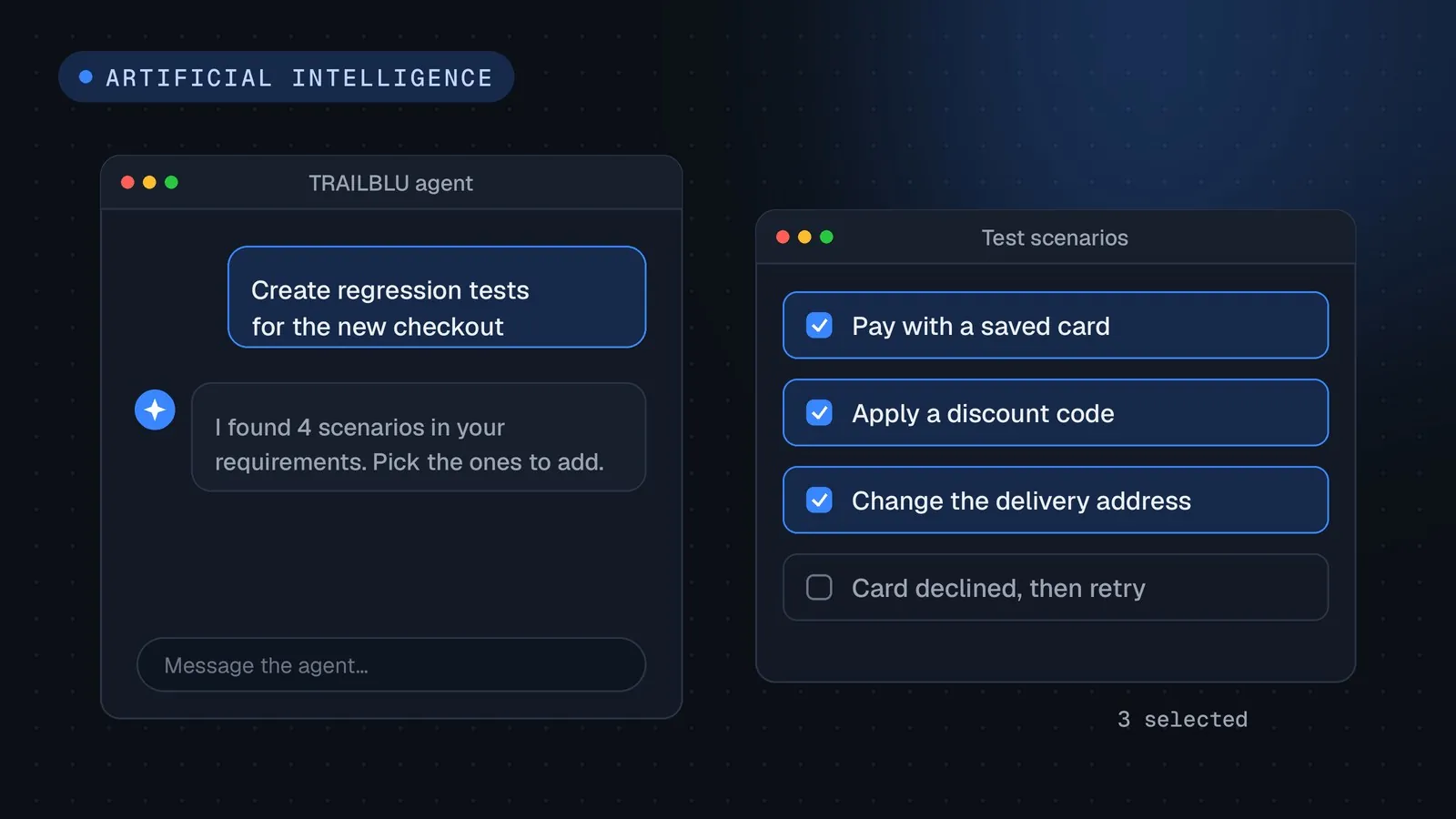
TRAILBLU provides a robust platform that enables efficient, scalable E2E Testing. Here’s how TRAILBLU stands out:
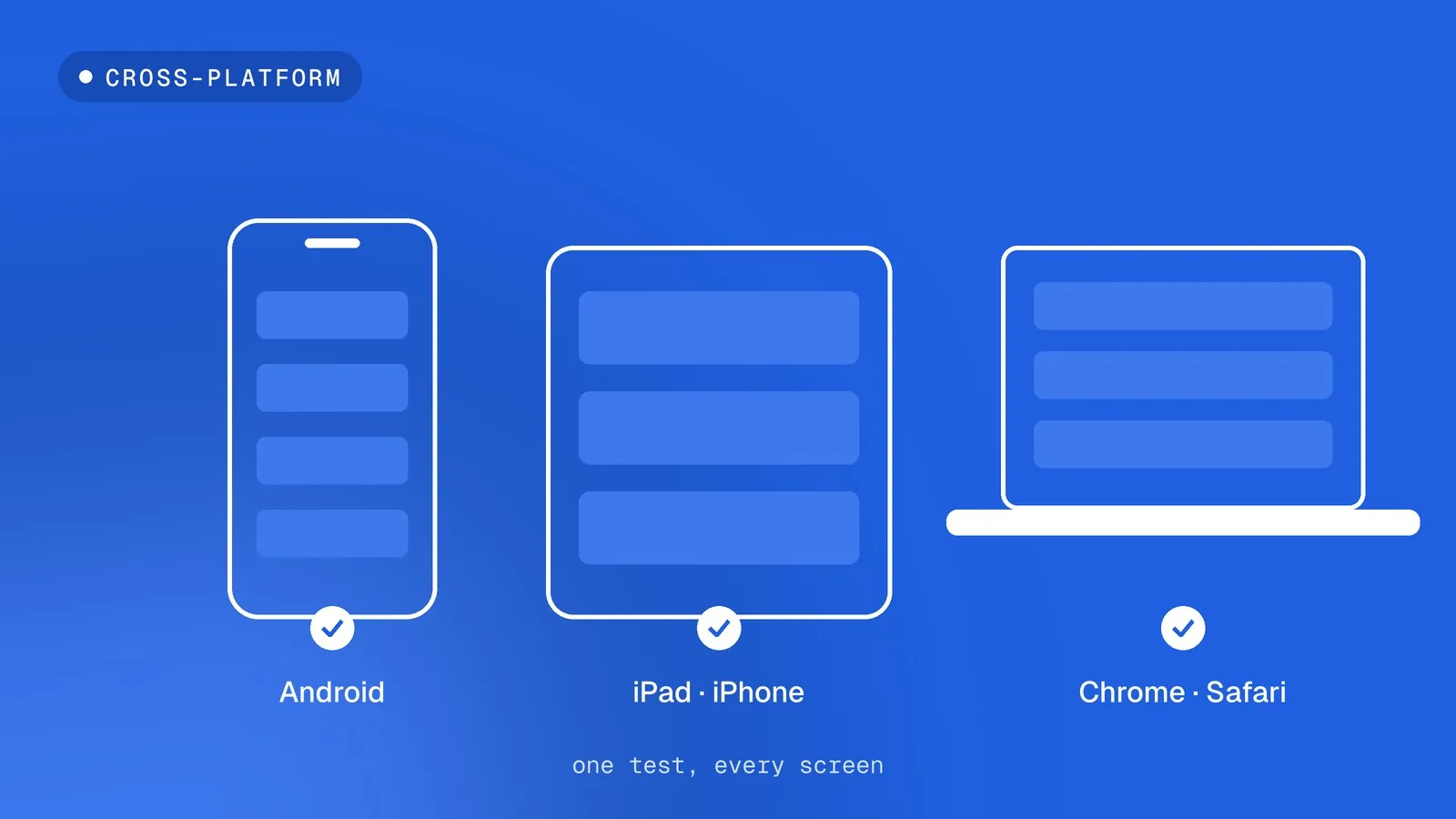
Cross-Platform Testing: TRAILBLU’s platform supports web, mobile, and API testing, ensuring consistent performance across diverse platforms and devices.
Real-Device Cloud: Testing on real devices allows TRAILBLU users to replicate true user conditions, identifying and resolving device-specific issues.
Parallel Execution: Execute tests across multiple devices simultaneously, saving time and providing comprehensive coverage.
Benefits of Effective End-to-End Testing with TRAILBLU
Increased Test Coverage: E2E Testing ensures complete coverage of critical user flows, minimizing the chance of missed bugs.
User-Centric Quality Assurance: By testing through the lens of the end user, TRAILBLU provides tools to simulate real environments, improving user satisfaction.
Efficient Development Lifecycle: Early detection of bugs reduces back-and-forth in development, accelerating time-to-market.
End-to-End Testing Challenges and How to Overcome Them
E2E Testing can be resource-intensive, especially in complex environments with multiple third-party integrations. Key challenges include:
Test Environment Complexity: Maintaining a test environment that mirrors production can be costly. Using cloud-based testing solutions, like those provided by TRAILBLU, can alleviate this burden by offering access to diverse environments.
Test Data Management: Managing different datasets across workflows is challenging but necessary. TRAILBLU’s data-driven testing capabilities streamline data handling, making tests more comprehensive.
Conclusion
End-to-End Testing is more than just a quality check—it’s a strategic approach to delivering robust, user-focused applications. As applications evolve, E2E Testing ensures that every component functions seamlessly, enhancing user experience and reducing operational risks. With TRAILBLU's platform, you gain the tools to conduct reliable, efficient, and scalable End-to-End Testing, ensuring your applications meet the high expectations of today’s users.
Start your journey towards flawless application performance with TRAILBLU's End-to-End Testing solutions today.