
Why Continuous Testing is a Must-Have for Every Developer
In the dynamic world of software development, speed and quality are the two critical factors that determine the success of any application. Developers are under constant pressure to deliver new features, updates, and fixes faster than ever before. However, this need for speed can often lead to compromises in quality if proper testing practices are not in place. This is where Continuous Testing becomes a game-changer.
What is Continuous Testing?
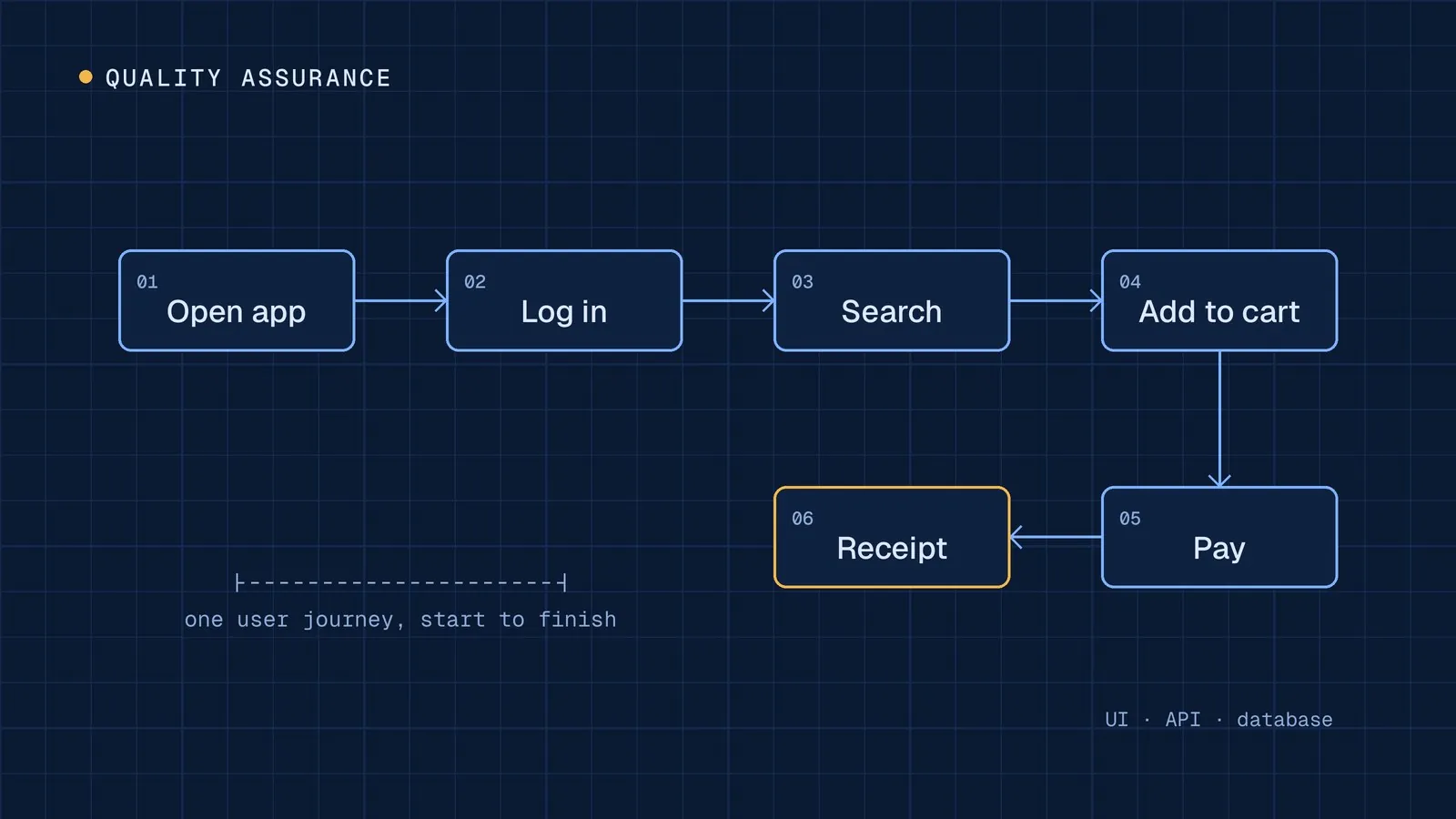
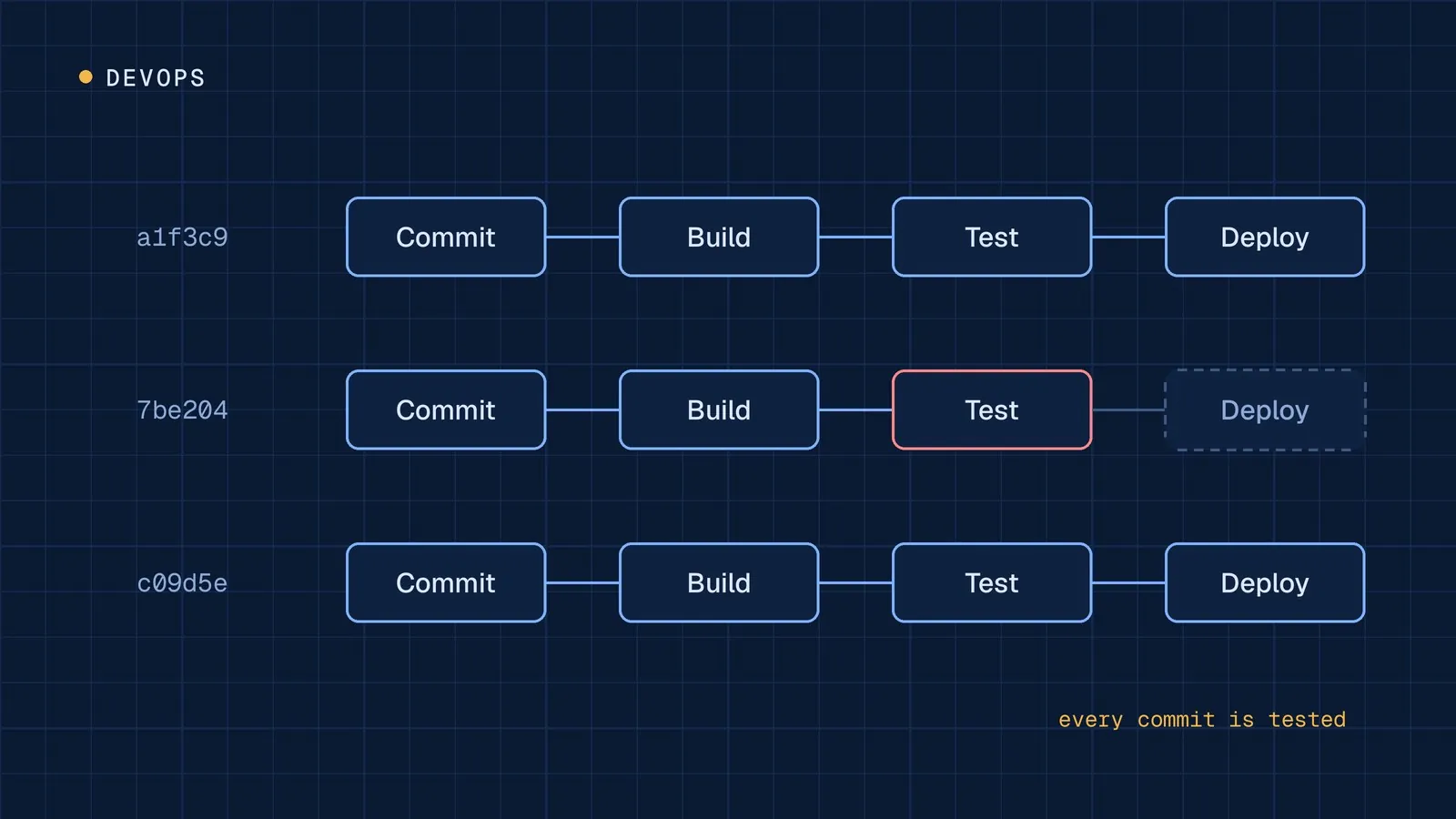
Continuous Testing is a process where automated tests are integrated into the development pipeline, allowing for constant feedback on the quality of the code. Unlike traditional testing methods that occur at the end of the development cycle, Continuous Testing happens at every stage, ensuring that issues are detected and resolved as they arise.
The Benefits of Continuous Testing for Developers
Increased Speed Without Compromising Quality: One of the biggest challenges developers face is the trade-off between speed and quality. Continuous Testing eliminates this dilemma by allowing developers to write and deploy code faster while maintaining high quality standards. Automated tests run continuously, providing immediate feedback, and allowing developers to fix issues on the fly.
Early Bug Detection and Resolution: Bugs are inevitable, but the sooner they are detected, the less impact they have on the project. Continuous Testing enables early bug detection, reducing the risk of critical issues reaching production. This not only saves time but also reduces costs associated with fixing bugs in later stages of development.
Enhanced Confidence in Code Deployment: Continuous Testing gives developers the confidence to deploy code more frequently. Knowing that the code has been thoroughly tested throughout the development process reduces the fear of introducing new bugs and ensures that the application remains stable and reliable.
Improved Collaboration Across Teams: Continuous Testing fosters a collaborative environment between developers, testers, and operations teams. By integrating testing into the development pipeline, everyone is on the same page, which leads to faster and more efficient software delivery.
The Role of Continuous Testing in DevOps
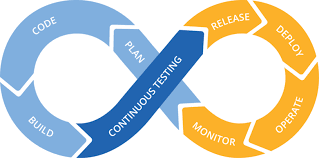
DevOps is all about breaking down silos and enabling seamless collaboration across different teams. Continuous Testing is a key component of the DevOps culture as it ensures that quality is built into every step of the development process. This continuous feedback loop helps teams deliver better software faster, meeting the ever-growing demands of users.
How TRAILBLU Can Help
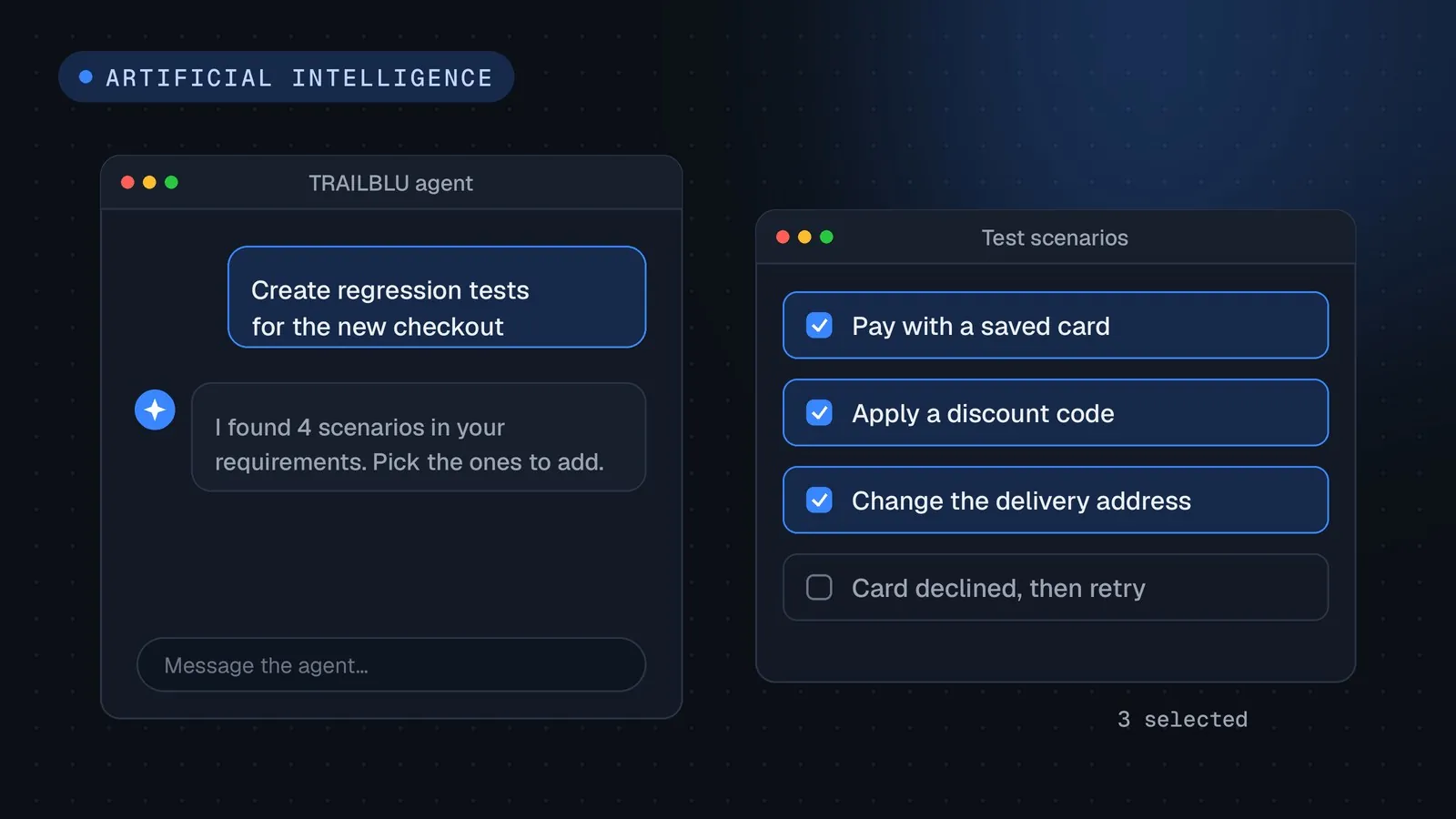
At TRAILBLU, we understand the importance of Continuous Testing in modern software development. Our solutions are designed to help developers integrate testing into their workflow seamlessly, ensuring that quality and speed go hand-in-hand. Whether you are just starting your DevOps journey or looking to optimize your existing processes, TRAILBLU offers the tools and expertise to make Continuous Testing an integral part of your development strategy.
Continuous Testing is no longer an optional practice for developers—it’s a necessity. In a world where software needs to be delivered faster and more reliably than ever before, Continuous Testing ensures that quality is never compromised. By embracing Continuous Testing, developers can not only meet the demands of today’s fast-paced development cycles but also set the stage for long-term success.