
Why Software Testing Should Be Considered a 'Profit Center'
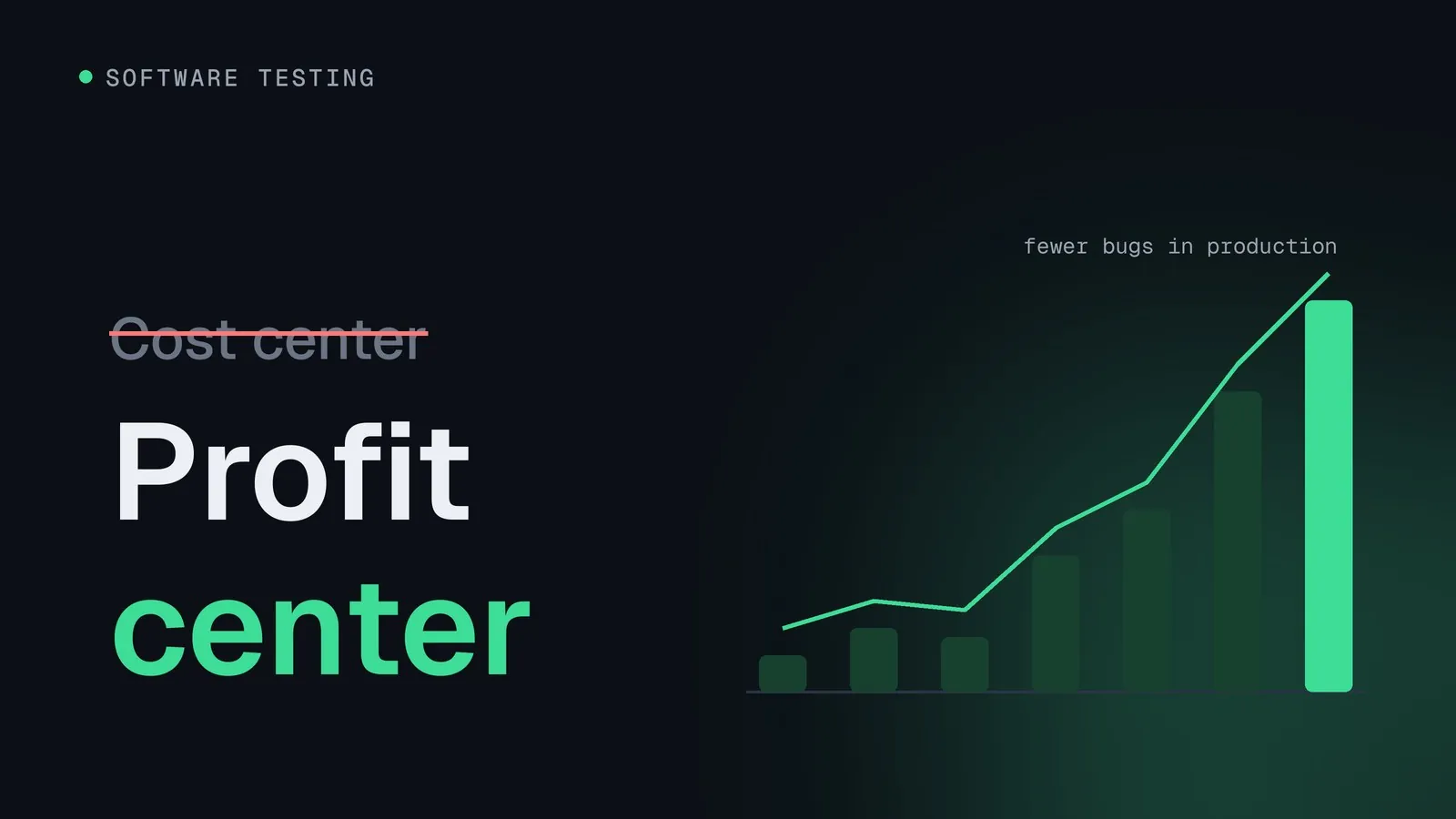
Traditionally, software testing has been perceived as a necessary but non-revenue-generating expense. However, in the rapidly evolving digital landscape, this perspective is shifting. Software testing can now be leveraged as a profit center, driving substantial value and contributing directly to a company's bottom line. This transformation is fueled by advancements in automation, AI-driven testing, and strategic integration within business processes.
The Strategic Value of Software Testing
Enhancing Product Quality and Customer Satisfaction
High-quality software is paramount to customer satisfaction and retention. Effective testing ensures that products are free from defects, perform reliably, and meet user expectations. This reduces the likelihood of costly post-release fixes and enhances the overall user experience, leading to higher customer loyalty and repeat business.
Accelerating Time to Market
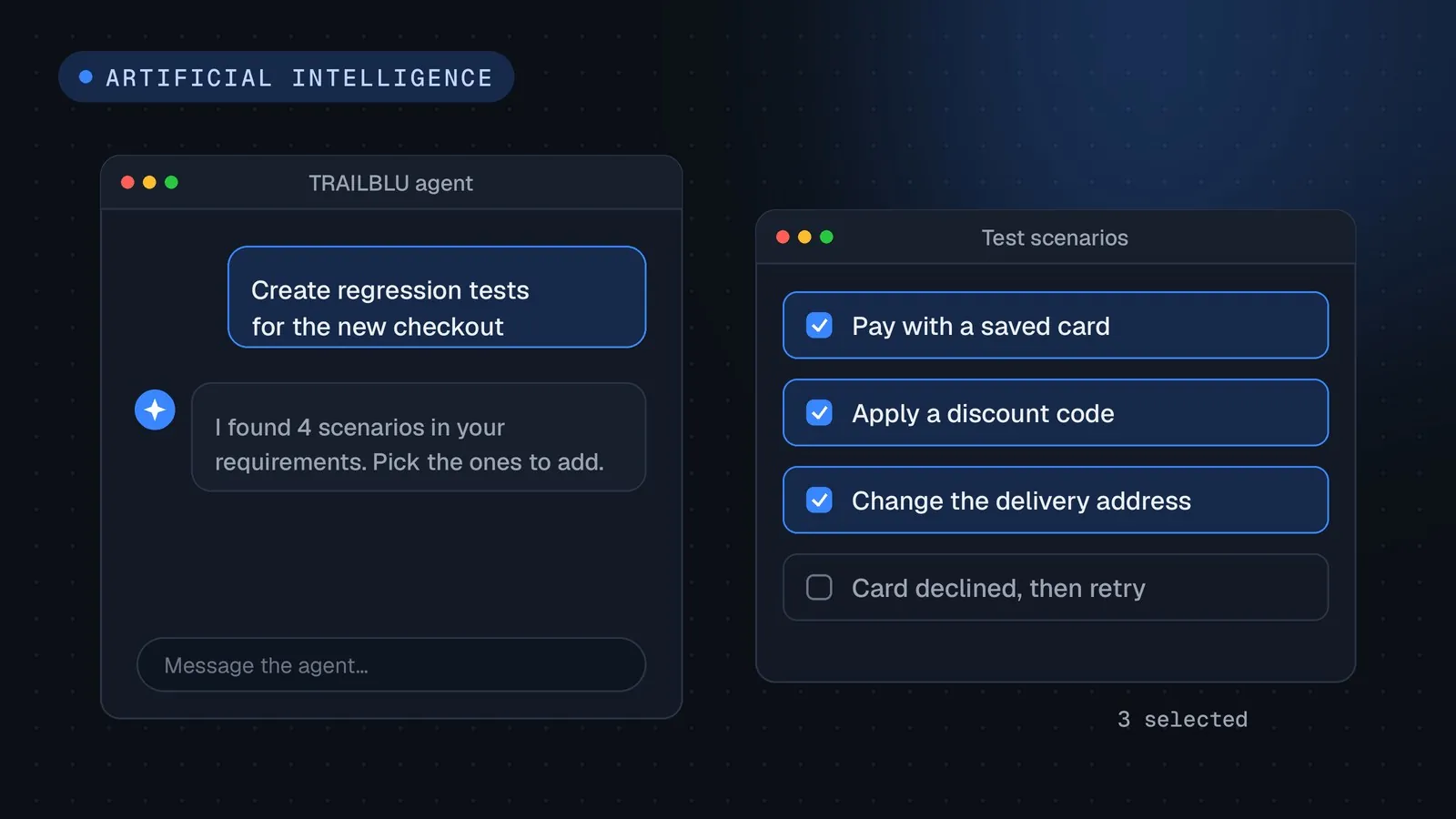
In today’s fast-paced market, speed is a critical competitive advantage. Automated testing tools like TRAILBLU enable organizations to streamline their QA processes, significantly reducing the time required to test and deploy software. By integrating testing into Continuous Integration/Continuous Deployment (CI/CD) pipelines, businesses can release updates and new features more rapidly, staying ahead of competitors and responding swiftly to market demands.
Financial Benefits of Viewing Testing as a Profit Center
Cost Efficiency through Automation
Manual testing is time-consuming and resource-intensive. Automated testing with TRAILBLU reduces the reliance on highly skilled QA professionals with programming expertise, lowering labor costs. Automation also minimizes human error, ensuring more accurate and reliable testing outcomes. This leads to significant cost savings and allows for the reallocation of resources to more strategic projects.
Revenue Generation from Improved Product Quality
Defect-free software enhances user satisfaction, reducing churn rates and increasing customer lifetime value. High-quality products are more likely to receive positive reviews and referrals, driving organic growth and new customer acquisition. Additionally, robust testing practices can shorten the sales cycle by providing potential customers with confidence in the product’s reliability and performance.
Market Trends Supporting Software Testing as a Profit Center
Growth of the Software Testing Market
The global software testing market is experiencing robust growth, projected to exceed $97.3 billion by 2032. This expansion is driven by the increasing adoption of automated testing tools, the rise of AI-driven testing solutions, and the growing complexity of software systems. Businesses are investing heavily in advanced testing frameworks to ensure the reliability and security of their applications.
Adoption of Agile and DevOps Practices
Agile and DevOps methodologies emphasize continuous testing and integration, making software testing an integral part of the development lifecycle. This shift towards continuous testing ensures that issues are identified and resolved promptly, maintaining high standards of software quality and accelerating delivery timelines.
Technological Advancements in Testing
Innovations such as AI-driven testing, machine learning, and continuous integration are revolutionizing the software testing landscape. These technologies enhance the accuracy and efficiency of defect detection, enabling organizations to deliver higher-quality software at a faster pace. As a result, testing is becoming a strategic asset that directly contributes to business growth and profitability.
Gartner’s Insights
According to Gartner’s 2023 report, by 2026, 50% of enterprise applications will separate support from subscription fees to create additional revenue stream. This highlights the growing trend of monetizing support and testing functions as part of broader business strategies, reinforcing the notion of testing as a profit center.
GMI’s Market Analysis
The software testing market, projected to exceed $97.3 billion by 2032, underscores the critical role of testing in driving business growth. Key trends such as the adoption of AI-driven testing, continuous integration, and agile DevOps practices are propelling the market forward, making software testing an essential component of modern business strategies.
Conclusion
Nilay Kose, Test and Quality Manager at Fibabanka, shares her experience with TRAILBLU: “For our mobile app testing, we used to employ QAs with programming skills. Now, our QAs no longer need to know programming. With TRAILBLU, we can automate all our tests and get our product to market faster.” This testimonial exemplifies how automated testing tools can transform QA processes, leading to increased efficiency and faster time to market—key indicators of a profit center.
Transforming software testing from a cost center to a profit center is not just a strategic advantage—it’s a necessity in today’s competitive market. By leveraging advanced automation tools like TRAILBLU, businesses can enhance product quality, accelerate time to market, and drive revenue growth. Embracing this shift enables organizations to not only reduce costs but also generate additional revenue streams, positioning software testing as a vital component of their overall business strategy. For businesses looking to stay ahead, investing in robust software testing solutions is a strategic move that promises substantial returns. Embrace the potential of software testing as a profit center and unlock new avenues for growth and success.
References:
Gartner Predicts 2023: Gartner Report on Application Security Testing https://info.checkmarx.com/gartner-mq-2023
GMI Insights: Software Testing Market Analysis https://www.gminsights.com/industry-analysis/software-testing-market